SANC Soy Sauce FAQ
Quick answers about SANC less sodium Korean soy sauce: what it is, how much sodium it has, how to cook with it, how to store it, and where to buy it. Each answer starts with the short answer first.
SANC at a glance
- Product: SANC Premium All-Purpose Less Sodium Korean Soy Sauce (Upgraded recipe)
- Size: 12.2 fl oz (360 ml) bottle; also sold as a 3-pack
- Sodium: about 30% less than average soy sauce
- Calories: about 15 per tablespoon
- Brewing: naturally brewed, fermented 6+ months with ~4,400 hours of Mozart music; TN 1.5+
- Free from: added MSG, high-fructose corn syrup, artificial additives and preservatives
- Contains: soy, wheat (not gluten-free)
- Where to buy: sancfood.com, Amazon, and Chicago-area stores (list)
Jump to: About SANC · Sodium, nutrition & ingredients · Cooking with SANC · Storage & safety · Buying SANC
About SANC
What is SANC soy sauce?
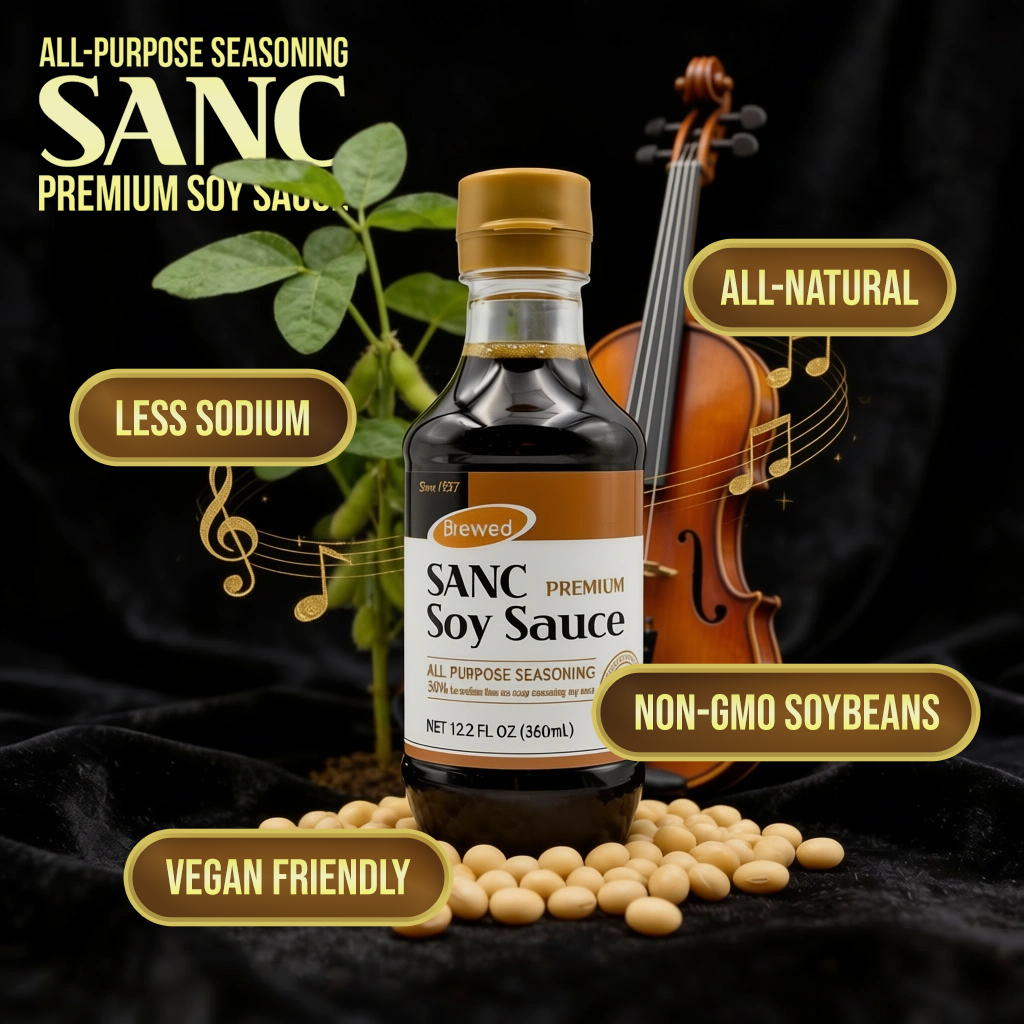
SANC is a premium, naturally brewed Korean all-purpose soy sauce with less sodium. It is fermented for more than six months, made with non-GMO soybeans, and contains no added MSG and no high-fructose corn syrup (upgraded recipe). It comes in a 12.2 fl oz (360 ml) easy-pour bottle and a 3-pack.
Learn more: Shop SANC
What makes SANC different from regular soy sauce?
SANC tastes more umami-forward and less harshly salty than typical soy sauce. It has about 30% less sodium than average soy sauce, is aged 6+ months, meets a Total Nitrogen (TN) index of 1.5+, and is fermented while Mozart classical music plays continuously for roughly 4,400 hours.
Learn more: What makes SANC special
What does "musically fermented" mean?
Musically fermented means SANC ages while classical music by Mozart plays continuously, about 4,400 hours over the fermentation period. It is part of SANC’s signature brewing process, designed to support a calm, consistent aging environment.
Learn more: How musical fermentation works · The science
What is the TN (Total Nitrogen) index of soy sauce?
The TN index measures the total nitrogen in soy sauce, which comes mostly from amino acids released during fermentation. A higher TN generally means richer umami and aroma. SANC meets a TN of 1.5+, a level associated with premium soy sauce.
Is SANC a Korean soy sauce?
Yes. SANC is a Korean-style all-purpose soy sauce (ganjang). It works in Korean dishes like bulgogi marinade, japchae and ganjang gejang, and in everyday Western cooking.
Learn more: Korean soy sauce history
Sodium, nutrition & ingredients
How much sodium is in SANC compared to regular soy sauce?
SANC has about 30% less sodium than average soy sauce. Regular soy sauce typically contains close to 1,000 mg of sodium per tablespoon. For the exact amount per serving, check the Nutrition Facts panel on the bottle or product page.
Learn more: See nutrition facts
Is SANC "low sodium" or "less sodium"?
SANC is a less-sodium (reduced-sodium) soy sauce. Under U.S. FDA labeling rules, "low sodium" means 140 mg or less per serving, while "less" or "reduced sodium" means at least 25% less sodium than the regular product.
Learn more: What low sodium means
How many calories are in SANC soy sauce?
SANC has about 15 calories per tablespoon.
Does SANC contain MSG?
No. SANC contains no added MSG. Its savory, umami taste comes from natural fermentation of soybeans and wheat.
Does SANC contain high-fructose corn syrup?
No. The upgraded SANC recipe is made without high-fructose corn syrup.
Is SANC non-GMO?
SANC is made with non-GMO soybeans.
Is SANC soy sauce gluten-free?
No. SANC is brewed with wheat, so it is not gluten-free. If you need a gluten-free option, look for a certified gluten-free tamari or coconut aminos.
Learn more: Is soy sauce gluten-free? · Gluten-free alternatives
What allergens are in SANC?
SANC contains soy and wheat.
Cooking with SANC
Can I use SANC as a salt substitute?
Yes. Use SANC anywhere you would add salt, such as eggs, soups, mashed potatoes, roasted vegetables and sauces. Start with about 1 teaspoon per serving and adjust to taste; it adds savory depth along with saltiness.
Learn more: How much soy sauce to use
What can I use SANC soy sauce for?
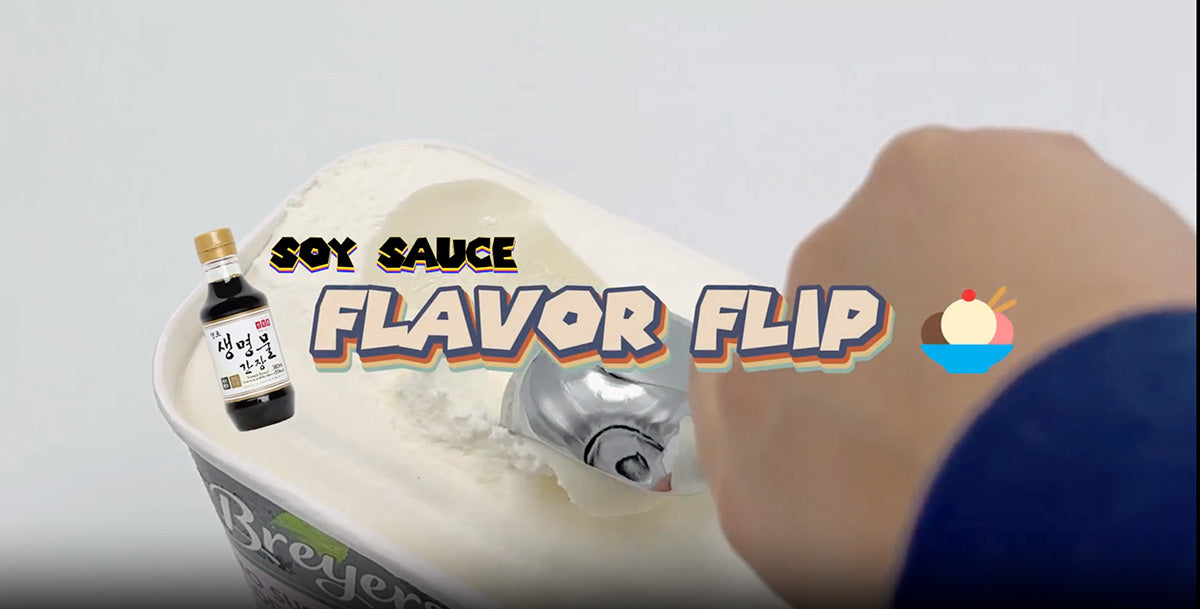
SANC is all-purpose: marinades, stir-fries, bulgogi, rice bowls, noodles, soups, dipping sauces, eggs, burgers and grilled meats. Its umami-forward flavor also works in surprising places like vanilla ice cream, brownies, cookies, pizza dough, salsa and Bloody Marys.
Learn more: See SANC recipes
Is soy sauce only for Asian food?
No. Soy sauce adds umami to burgers, steak, eggs, pasta sauce, salad dressings, pizza and desserts. A splash can replace Worcestershire sauce or some of the salt in many Western recipes.
Learn more: Uses beyond Asian food · Worcestershire swap
Can I put soy sauce on ice cream or in desserts?
Yes. A few drops of soy sauce on vanilla or caramel ice cream tastes like salted caramel, and it adds depth to brownies and cookies. SANC’s balanced, less-salty flavor works especially well in sweets.
Learn more: Ice cream · Brownies
What is the difference between Korean and Japanese soy sauce?
Korean soy sauce (ganjang) includes styles like guk-ganjang, a light, salty soup soy sauce, and jin-ganjang, a darker, sweeter all-purpose sauce. Japanese shoyu is typically brewed from soybeans and wheat with koji. SANC is a Korean all-purpose style suited to both cooking and dipping.
Storage & safety
Does soy sauce need to be refrigerated after opening?
Refrigeration is not required, but it is recommended. Storing opened soy sauce in the refrigerator keeps its flavor and color fresher for longer. Unopened bottles can be kept in a cool, dark pantry.
Learn more: Refrigeration guide
Does soy sauce go bad?
Soy sauce rarely spoils because of its salt content, but its flavor fades over time once opened. Use it by the best-by date on the bottle, keep the cap closed, and refrigerate after opening for the best taste.
Learn more: Shelf life details
Is soy sauce acidic or alkaline?
Soy sauce is mildly acidic, typically around pH 4.5 to 5.0, as a natural result of fermentation.
Can dogs have soy sauce?
No. Soy sauce is too high in sodium for dogs and can make them sick. Keep soy sauce and salty foods away from pets and call your vet if your dog eats a significant amount.
Learn more: Pet safety guide
How do I remove soy sauce stains?
Blot (do not rub) right away, rinse from the back with cold water, pre-treat with liquid detergent or a dish soap and water mix, then wash in cold water. Avoid heat until the stain is gone.
Learn more: Full stain guide
Buying SANC
Where can I buy SANC soy sauce?
You can buy SANC online at sancfood.com and on Amazon, and in person at select Chicago-area grocery stores and markets.
Learn more: See all places to buy
Which size should I buy?
The 12.2 fl oz bottle is ideal for trying SANC. The 3-pack is the best value per bottle and makes an easy gift for home cooks.
Learn more: 12.2 oz bottle · 3-pack value set
What is the difference between the Upgraded and Original SANC recipes?
The Upgraded SANC recipe replaces the Original and is made without high-fructose corn syrup, while keeping the same less-sodium, naturally brewed, musically fermented profile. The Original recipe has been discontinued.
Learn more: Shop the Upgraded recipe
What is your shipping and return policy?
See our Return and Shipping Policy for current shipping times, costs and return details.
Learn more: Return and Shipping Policy
How can I contact SANC?
Send us a message through our contact page and our team will get back to you.
Learn more: Contact SANC