
· By Susan Kim
What Does "Low Sodium" Mean?
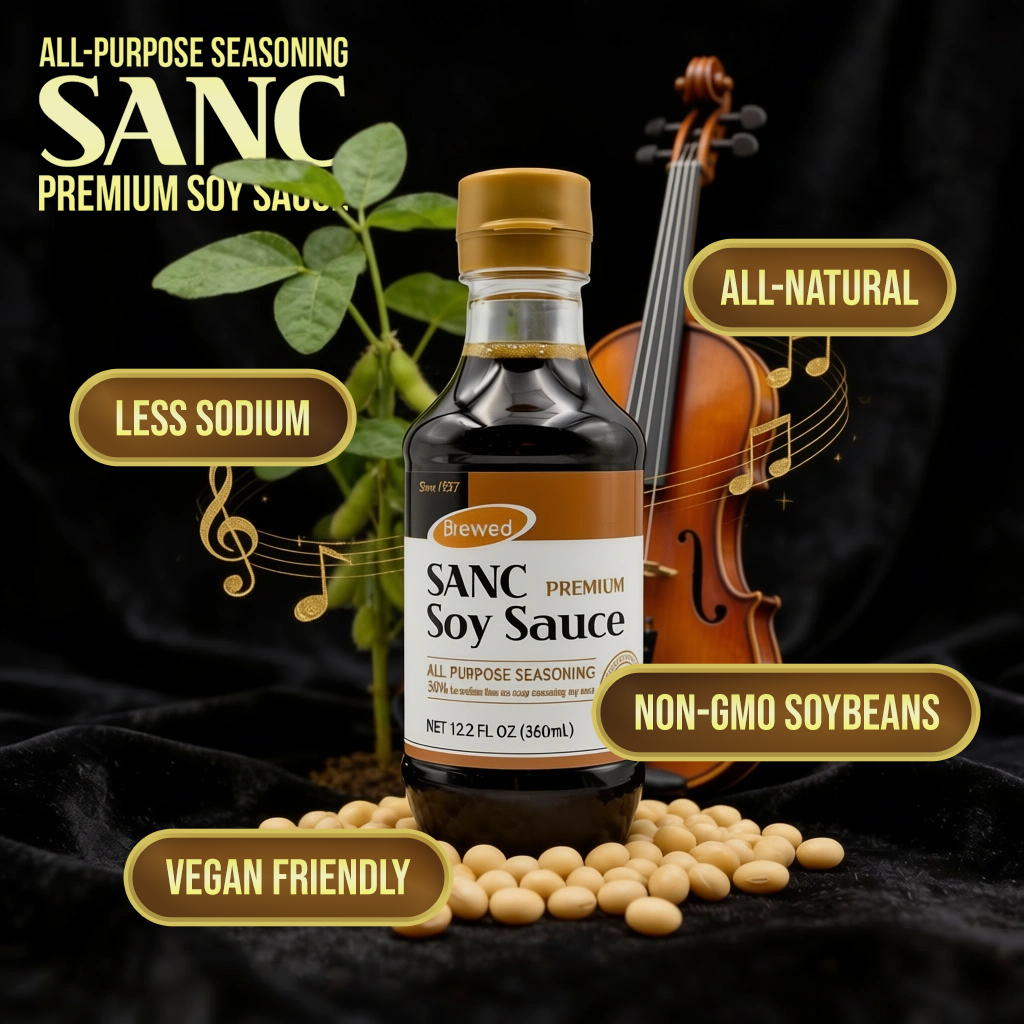
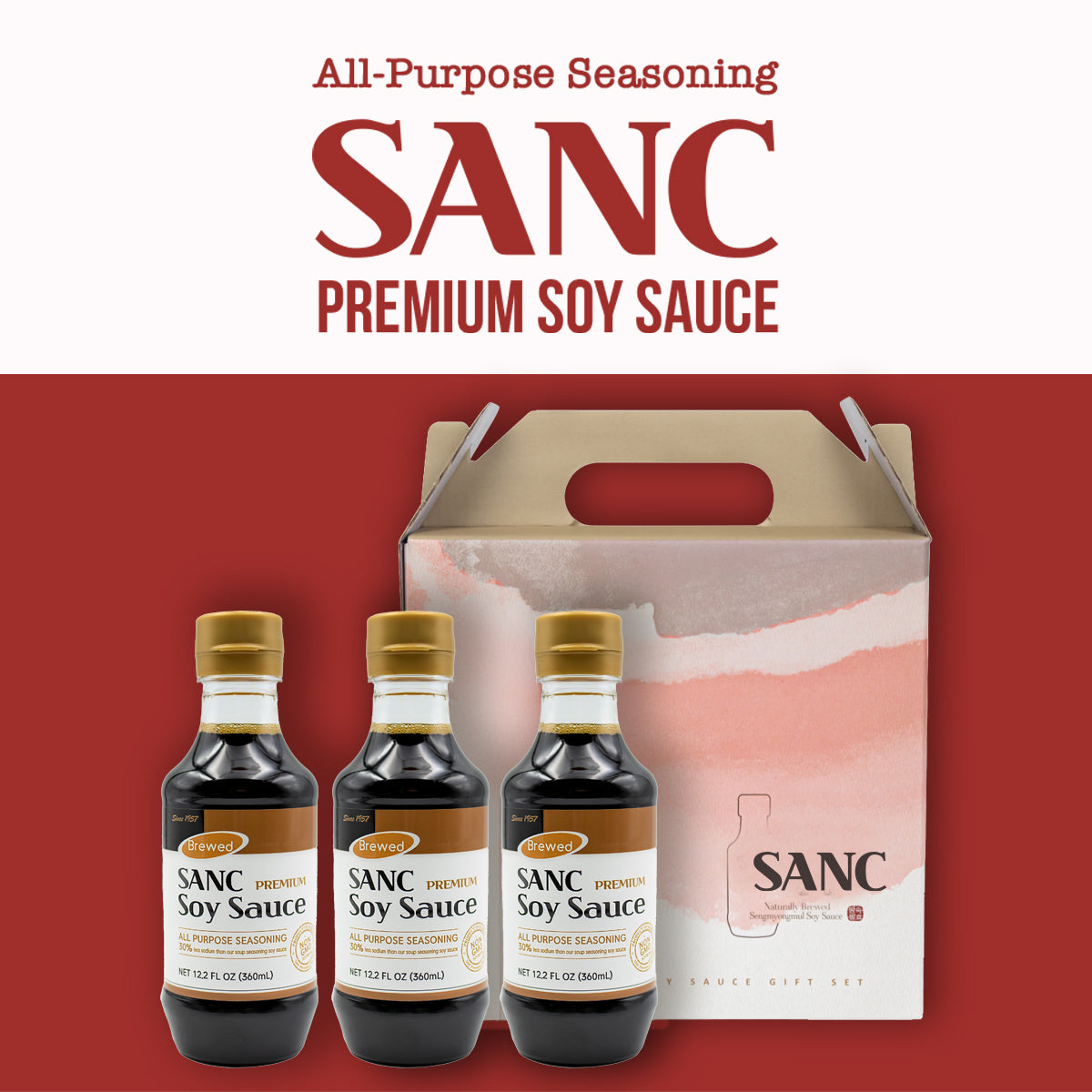
SANC Premium Korean Soy Sauce has less sodium than many other brands, and even less sodium than it used to have! But we wouldn't call it "Low Sodium" because the Food and Drug Administration has a very specific, and simple, definition for that phrase:
"Low Sodium" means there's 140mg or less of sodium per serving.
SANC has 720mg per serving. So definitely out of the "low sodium" realm, but compare that with up to 940mg in San-J or 960mg in Kikkoman.
Why is too much sodium bad for you?
First, let's be clear: sodium is a required mineral and vital electrolyte - you need sodium to live! We use sodium for nerve signals, muscle function, and fluid balance. But as with literally everything in life, we must strike a balance. Too much of anything is bad for us.

If a meal has less sodium, can you still taste salt?
Too much sodium is mainly a problem because it pulls extra water into your bloodstream. That raises “fluid pressure”, or blood pressure, in your blood vessels and makes your heart and kidneys work harder over time.
What high sodium intake does:
-
Raises blood pressure (hypertension) in many people (especially if you’re “salt sensitive”). High blood pressure often has no symptoms but increases risk long-term.
-
Increases risk of heart disease and stroke because chronically high blood pressure damages arteries and strains the heart.
-
Stresses the kidneys (they’re responsible for filtering and balancing sodium/water). Over time, high blood pressure combined with high sodium can contribute to kidney disease.
-
Causes water retention/bloating and can worsen swelling, especially in people with heart, kidney, or liver issues.
-
Can worsen calcium loss in urine, which may matter for bone health in some people (more relevant if overall diet is low in calcium).
-
Often signals a highly processed diet (most sodium comes from packaged/restaurant foods), which can crowd out more nutrient-dense options.
You probably noticed that sodium isn't going to directly damage you - it's the increased blood pressure over time that can cause extra stress on your body and eventually damage your organs. Maybe it's subtle and nuanced, but its 2026 people! Its time to appreciate that small things can have huge effects...

That's why instead of low sodium we say SANC Premium Korean Soy Sauce is a salt substitute - for your next recipe, try using a dash of SANC Soy Sauce instead of salt! The special umami flavor helps enhance the salty experience without all the sodium.
For anyone interested, here's the full breakdown of the sodium labeling from the FDA:
|
What It Says |
What It Means |
| Salt/Sodium-Free | Less than 5 mg of sodium per serving |
| Very Low Sodium | 35 mg of sodium or less per serving |
| Low Sodium | 140 mg of sodium or less per serving |
| Reduced Sodium | At least 25% less sodium than the regular product |
| Light in Sodium or Lightly Salted | At least 50% less sodium than the regular product |
| No-Salt-Added or Unsalted | No salt is added during processing – but these products may not be salt/sodium-free unless stated |