
· By Susan Kim
A Worcestershire Sauce Replacement You Might Not Expect...
Can You Use Soy Sauce Instead of Worcestershire Sauce?

Worcestershire sauce is one of those bottles that quietly lives in the fridge door until a recipe suddenly demands it.
Burgers? Add Worcestershire.
Steak marinade? Worcestershire.
Bloody Mary? Definitely Worcestershire.
Meatloaf, chili, Caesar dressing, roasted vegetables, barbecue sauce? Worcestershire sauce is always invited!
But what happens when you run out? Or when you want a cleaner, vegan-friendly, lower-sodium option with that same savory depth?
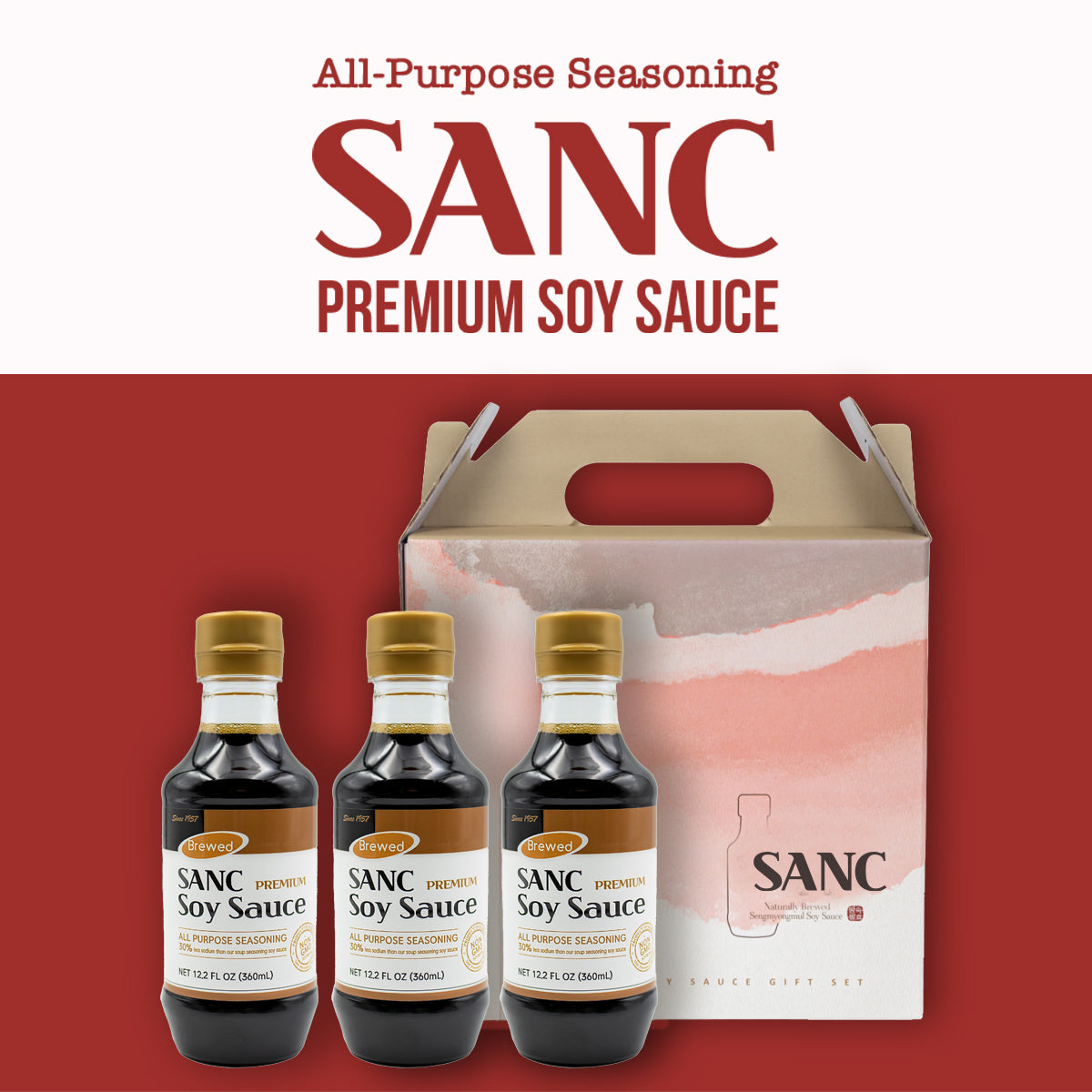
That’s where SANC Premium Korean Soy Sauce comes in.
While SANC and Worcestershire sauce are not identical, they do share one major flavor superpower: umami. SANC brings rich, fermented, all-purpose savory flavor that can step into many of the same meals where Worcestershire sauce usually shows up, especially when the goal is to add depth, saltiness, and complexity without overpowering the dish.
What Does Worcestershire Sauce Taste Like?
Worcestershire sauce has a very specific personality. It is salty, tangy, slightly sweet, a little funky, and deeply savory. Traditional Worcestershire sauce often gets that flavor from a mix of vinegar, molasses or sugar, tamarind, spices, garlic, onions, soy sauce, and anchovies.
That combination gives Worcestershire sauce its famous “just a few dashes” intensity. It adds acidity, sweetness, salt, and umami all at once.
SANC soy sauce approaches flavor differently. Instead of sharp tang and sweetness, SANC delivers smoother fermented depth, clean saltiness, and rich umami flavor from naturally brewed soy sauce. It is less about adding a punch of vinegar and more about building a round, savory foundation.
In other words:
Worcestershire sauce is tangy, sweet, sharp, and savory.
SANC soy sauce is smooth, salty, fermented, and deeply umami.
Both can make food taste fuller. They just take different roads to get there.
Why SANC Works as a Worcestershire Sauce Substitute

The biggest reason SANC works as a Worcestershire substitute is umami.
Umami is that rich, savory flavor that makes food taste more complete. It is the reason a burger tastes meatier, a stew tastes deeper, and a marinade tastes like it has been working harder than it actually has.
Worcestershire sauce gets much of its umami from ingredients like anchovies and soy sauce. SANC gets its umami from traditional soy sauce fermentation, using non-GMO soybeans and a natural brewing process that develops deep flavor over time.

That makes SANC a great substitute when you want:
- A savory boost in marinades
- More depth in soups, stews, and sauces
- A salt alternative with more flavor complexity
- A vegan-friendly swap for traditional Worcestershire sauce
- A cleaner all-purpose seasoning for everyday cooking
- Less sodium than many major soy sauce brands
SANC will not copy the exact tangy sweetness of Worcestershire sauce on its own, but in many recipes, that is actually a good thing. It gives you a savory flavor without the vinegary bite.
How to Substitute SANC for Worcestershire Sauce
For most cooked recipes, you can start with a simple swap:
Use 1 teaspoon of SANC soy sauce for every 1 teaspoon of Worcestershire sauce.
This works especially well in recipes where Worcestershire is used as a background flavor, like burgers, meatloaf, chili, sauces, stir-fries, stews, and roasted vegetables.
If your recipe depends on Worcestershire sauce for tanginess, add a tiny splash of acidity along with SANC. A few drops of lemon juice, lime juice, apple cider vinegar, or rice vinegar can help recreate that bright edge.
If your recipe depends on Worcestershire sauce for sweetness, add a small touch of honey, brown sugar, maple syrup, or ketchup.
A good all-purpose Worcestershire-style SANC blend is:
1 tablespoon SANC soy sauce
1 teaspoon apple cider vinegar or lemon juice
1/2 teaspoon honey, brown sugar, or ketchup
Mix it together and use it in marinades, burger seasoning, barbecue sauce, dressings, or roasted vegetables.
Think of it less like a strict replacement and more like a flavor upgrade you can customize.

SANC vs. Worcestershire Sauce: Clear Comparison
Flavor
Worcestershire sauce is tangy, sweet, salty, savory, and slightly funky. It is bold and concentrated.
SANC soy sauce is smooth, savory, salty, fermented, and umami-forward. It adds depth without the same vinegar-heavy sharpness.
Ingredients
Traditional Worcestershire sauce often includes anchovies, vinegar, molasses, tamarind, spices, garlic, and onions.
SANC is made with clean, real ingredients and naturally brewed soy sauce flavor. It is also vegan-friendly, which makes it useful for cooks who want Worcestershire-style depth without anchovies.
Best Use
Worcestershire sauce is great when you want a sharp, tangy punch.
SANC is great when you want a smooth, savory base that works across cuisines, from Korean-inspired marinades to classic American comfort food.
Sodium
Both sauces add salty flavor, but SANC is designed as a less-sodium soy sauce option compared with many major soy sauce brands. That makes it a smart choice when you want bold flavor without simply reaching for more salt.
Best Meals to Use SANC Soy Sauce Instead of Worcestershire Sauce
1. Burgers
Worcestershire sauce is often mixed into burger patties for depth. SANC does the same job beautifully, adding rich umami that makes beef, turkey, mushroom, or veggie burgers taste more savory.
Try mixing a splash of SANC into your burger meat with black pepper, garlic powder, and a little onion powder. It gives the patty a deeper, more seasoned flavor before it ever hits the pan.
2. Meatloaf
Meatloaf loves umami. Instead of Worcestershire sauce, add SANC to the meat mixture or glaze. It pairs especially well with ketchup, tomato paste, garlic, mustard, and brown sugar.
The result is savory, cozy, and deeply flavorful, without needing a long ingredient list.
3. Chili
A spoonful of Worcestershire sauce is often used to add depth to chili. SANC works just as well when the goal is to make the pot taste richer.
Add SANC to beef chili, turkey chili, bean chili, or veggie chili. It blends naturally with tomatoes, cumin, paprika, beans, onions, and peppers.
Basically, it helps your chili taste like it simmered longer than it did. We will not tell.
4. Steak Marinade
If a steak marinade calls for Worcestershire sauce, SANC can step in with serious savory flavor.
Combine SANC with olive oil, garlic, black pepper, lemon juice, and a little honey or brown sugar. The soy sauce brings salt and umami, the acid brightens the marinade, and the sweetness helps with browning.
This works for steak, chicken, pork, tofu, mushrooms, and grilled vegetables.
5. Roasted Vegetables
Worcestershire sauce can add a savory edge to roasted vegetables, but SANC may be even more versatile here.
Toss Brussels sprouts, carrots, broccoli, mushrooms, potatoes, or cauliflower with olive oil, SANC, garlic, and black pepper before roasting. The SANC adds a deep savory flavor that makes vegetables taste richer and more satisfying.
6. Caesar-Style Dressing
Traditional Caesar dressing often gets umami from anchovies or Worcestershire sauce. For a vegan-friendly twist, use SANC instead.
Mix SANC with lemon juice, Dijon mustard, garlic, olive oil, black pepper, and a little mayo or yogurt for a creamy, savory dressing. It will not taste exactly like classic Caesar, but it gives you that salty, umami backbone that makes the dressing work.
7. Barbecue Sauce
Worcestershire sauce is a common barbecue sauce ingredient because it adds tangy, savory depth. SANC brings the savory side beautifully.
Stir SANC into ketchup, vinegar, brown sugar, smoked paprika, garlic powder, and a little mustard. You will get a rich, sticky sauce that works for wings, ribs, tofu, grilled vegetables, burgers, and sandwiches.
8. Bloody Marys and Savory Drinks
Worcestershire sauce is a Bloody Mary classic. SANC can be used for a smoother, umami-forward version.
Add a few drops of SANC to tomato juice with lemon, hot sauce, black pepper, celery salt, and horseradish. It gives the drink savory depth without the anchovy-based flavor of traditional Worcestershire sauce.

When SANC Is Not a Perfect Worcestershire Sauce Substitute
SANC is a strong substitute, but it is not a clone.
If the recipe depends heavily on Worcestershire sauce’s vinegar tang, tamarind sweetness, or anchovy funk, SANC alone will taste smoother and less sharp. That can be great, but it will be different.
For the closest flavor, pair SANC with a small amount of acid and sweetness.
Use:
SANC + lemon juice or vinegar for tang
SANC + honey, brown sugar, or ketchup for sweetness
SANC + garlic, onion powder, or mustard for extra savory complexity
With a tiny adjustment, you can get very close to the role Worcestershire sauce plays in most recipes.
So, Is SANC a Good Substitute for Worcestershire Sauce?
Yes, especially when your recipe needs savory depth, saltiness, and umami.
SANC is not as tangy or sweet as Worcestershire sauce, but that is part of what makes it so useful. It brings a smoother, cleaner, more versatile flavor that works in marinades, burgers, chili, roasted vegetables, dressings, sauces, and everyday weeknight meals.
It is also vegan-friendly, made with non-GMO soybeans, naturally brewed, and lower in sodium than many major soy sauce brands.
So the next time a recipe calls for Worcestershire sauce and your fridge says, “Absolutely not, we ran out three months ago,” reach for SANC.
Your burgers, stews, marinades, and roasted vegetables will be grateful.
Click this link to buy SANC right now and see how transformative soy sauce can be!