
· By Susan Kim
Top 10 Fascinating Facts About the History of Korean Soy Sauce (Ganjang)
Top 10 Fascinating Facts About the History of Korean Soy Sauce
Korean soy sauce has been seasoning meals for a very long time — and not in a boring “dusty museum artifact” kind of way. Ganjang is a living, breathing part of Korean food culture: brewed slowly, passed down through families, and powerful enough to shape the flavor of entire cuisines.
So if you’ve ever wondered why Korean soy sauce feels deeper, richer, and a little more soulful than your average splash-from-the-bottle situation, here’s your answer in a tasty 10-point list.

10. Korean soy sauce is part of a bigger fermented family
Ganjang is one member of Korea’s famous jang family, the fermented seasoning trio that also includes doenjang and gochujang. Traditional ganjang begins with meju, blocks of fermented soybeans, and in classic home brewing, ganjang and doenjang are actually produced from the same process: the liquid becomes soy sauce, and the solids become soybean paste.
Here's a moment from Culinary Class War where they describe some of the flavors:

9. It may be older than the written record
Nobody can point to one exact “birthday” for Korean soy sauce. What scholars can say is that fermented soybean culture on the Korean Peninsula goes back very far. A 2023 review in the Journal of Ethnic Foods notes that the oldest surviving written references to jang date to the late Three Kingdoms era, while archaeological finds suggest soybean processing traditions on the peninsula may go back even earlier.

8. By 683 CE, jang was already royal-gift worthy
One of the best historical flexes in Korean food history: jang appears in the Samguk Sagi in connection with King Sinmun of Silla’s 683 CE marriage gifts. In other words, fermented seasonings were important enough to appear in a royal-context provisioning list more than 1,300 years ago. That is not “just a condiment.” That is prestige pantry energy.

7. Ancient observers already knew Korea was good at fermentation
Even before later food historians filled in the details, outside records described people on the Korean Peninsula as notably skilled at brewing and fermenting foods. The same review notes that records about Goguryeo point to fermentation know-how that was advanced enough to catch the attention of neighboring observers. Translation: Korea had fermentation game early.

6. Traditional ganjang is a slow-food masterpiece
Real traditional ganjang is not a hurry-up condiment. First, soybeans are cooked and shaped into meju. Then the blocks are dried and fermented, often with the help of naturally occurring microbes. After that, the meju is soaked in brine and aged for months. The second fermentation transforms the liquid into ganjang while the solids become doenjang. It is one process, two icons.

5. The name itself hints at its kitchen superpower
The “gan” in ganjang is tied to 간, a core Korean culinary concept referring to the proper salinity or seasoning balance of a dish. In simple terms, ganjang is not just salty — it helps set the flavor. That makes Korean soy sauce less of an add-on and more of a flavor architect.

4. Ganjang and doenjang are basically siblings
This is one of the coolest things about traditional Korean fermentation: soy sauce and soybean paste are not separate stories. They are two outcomes of the same brew. After the meju ferments in brine, the upper liquid becomes ganjang, while the denser solids become doenjang. Korean pantry logic is beautiful like that: nothing wasted, everything transformed.

3. Aging in onggi is part of the magic
Traditional jang is often aged in onggi, Korea’s breathable earthenware jars. These vessels help create the conditions for fermentation and aging, which is one reason old-school soy sauce can develop such layered flavor over time. UNESCO’s description of jang-making also highlights the importance of fermentation, storage, and aging conditions as part of the tradition itself.

2. Every household could have its own “house soy sauce”
Historically, jang-making was deeply tied to family life. UNESCO notes that jang traditions were passed down within households, especially across generations of women, and that some families kept aged soy sauce for years or even decades to preserve a consistent family taste. Imagine inheriting not just recipes, but the actual flavor backbone of your home cooking.

1. Korean jang-making is now UNESCO-recognized heritage
In 2024, UNESCO inscribed “Knowledge, beliefs and practices related to jang making in the Republic of Korea” on the Representative List of the Intangible Cultural Heritage of Humanity. That recognition covers the broader jang tradition, including soy sauce, and confirms what Korean cooks have known forever: this is not just food production. It is cultural memory, family practice, and culinary craftsmanship all in one jar.

Why the history of ganjang still matters
Korean soy sauce is more than an ingredient with a long résumé. It tells a bigger story about patience, fermentation, family knowledge, and the Korean approach to flavor. Ganjang was never meant to be one-dimensional. It was built to season thoughtfully, age gracefully, and bring depth to everyday cooking.
That’s part of what makes Korean soy sauce so special even now: it connects modern kitchens to centuries of craft.
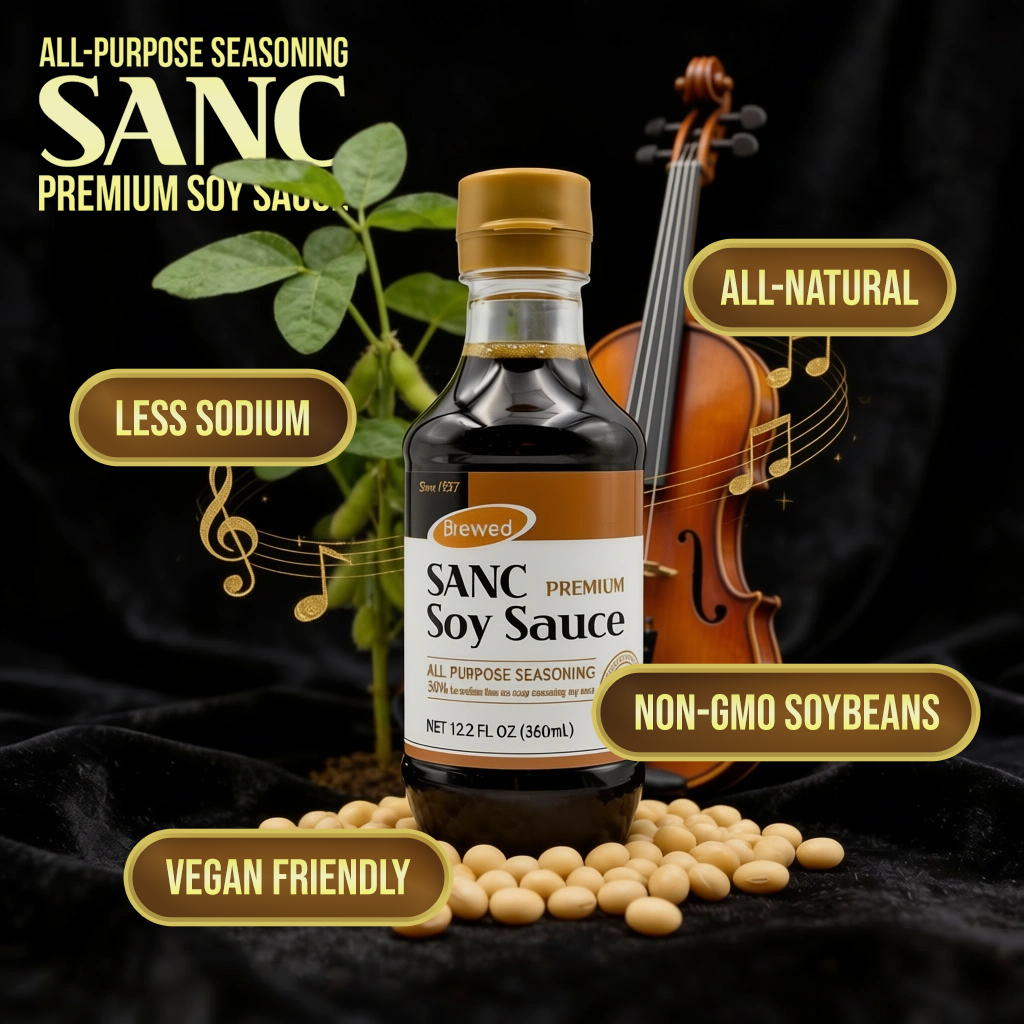
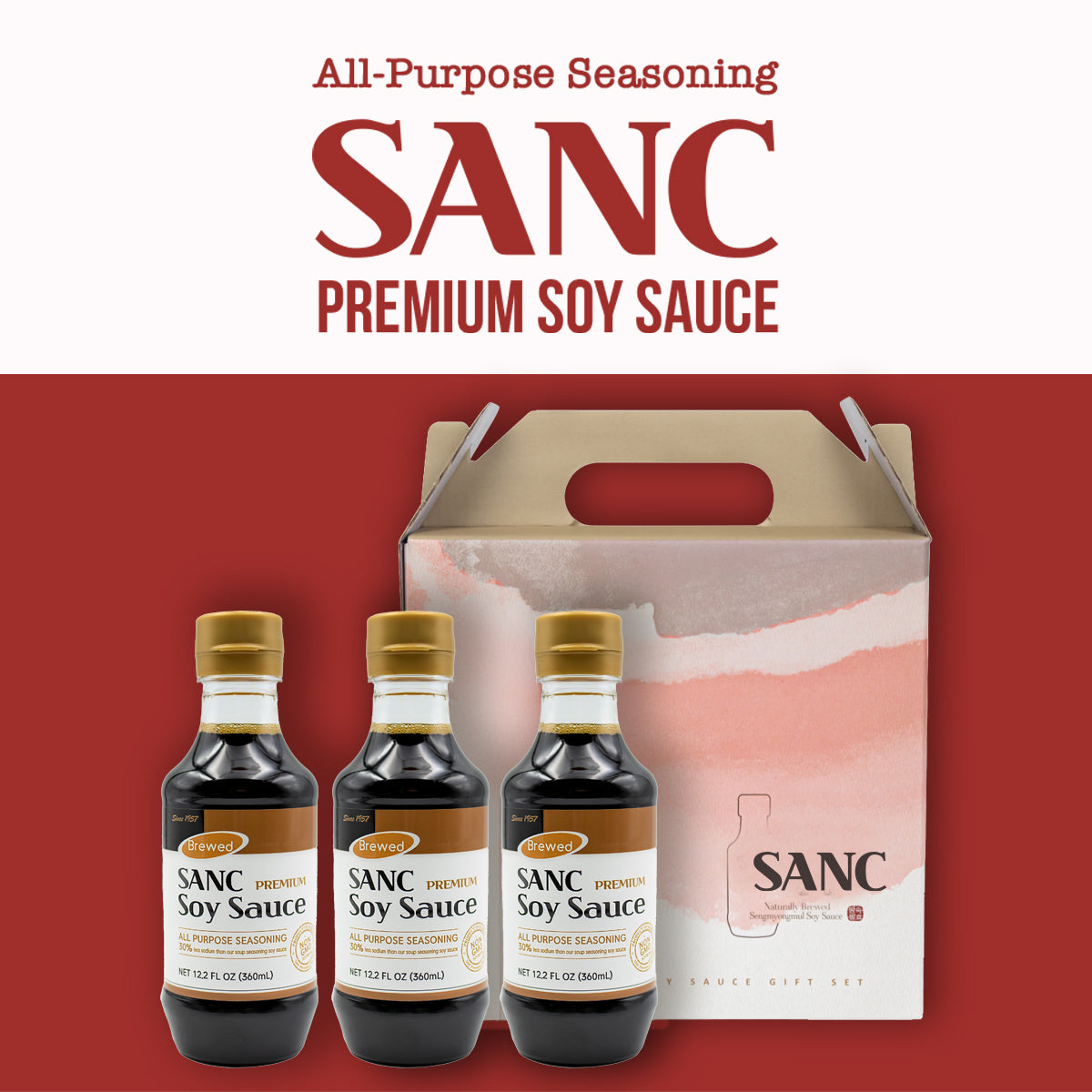
If you want your own bottle of historical connection and flavor enhancement, scroll down a little and pick up your bottle of SANC Premium Korean Soy Sauce. Brewed traditionally for that authentic style, using modern fermentation techniques for optimal flavor. Buy it now and taste what the world has to offer!