
· By Susan Kim
3 Surprising Health Benefits of Soy Sauce
3 Surprising Health Benefits of Soy Sauce
Soy sauce is usually seen as the salty sidekick to sushi, stir-fries, and fried rice. But when you use it in moderation (seriously, big emphasis on moderation), it actually comes with a few cool benefits people don’t expect.
Let’s break down three unexpected perks of soy sauce, with a few important caveats at the end.

1. It’s Surprisingly Rich in Antioxidants 💪
You might have heard of free radicals. These are unstable, “used” molecules—often oxygen-based—that are missing an electron. They are a natural byproduct of life, but also come from smoking, alcohol, pollution, and sun exposure. They travel through your system, stealing electrons from essential molecules like DNA. Too many free radicals cause "oxidative stress," which is linked to aging, diabetes, heart disease, and cancer.
So how can you protect yourself? Antioxidants! These molecules have extra electrons they happily donate to neutralize free radicals, preventing the electron theft and protecting your cells.
Traditional, naturally brewed soy sauce isn’t just salty brown liquid—it’s packed with antioxidant compounds like:
-
Melanoidins (formed during fermentation and aging)
-
Phenolic acids and other plant-based compounds
Some research has found that dark soy sauce can have antioxidant activity that rivals, or even beats, things like red wine or vitamin C on a per-volume basis.
What that might mean for you
Antioxidants help:
-
Support overall cellular health
-
Fight oxidative stress (which is linked to aging and some chronic diseases)
That said, you’re not chugging soy sauce by the glass (please don’t), so:
Think of the antioxidants as a nice bonus, not your main source of them.
Load up on fruits, veggies, tea, and let soy sauce just be a tasty little extra.
2. Fermented Soy Sauce = Gut-Friendly Compounds 🌱

Naturally brewed soy sauce is a fermented food.
During fermentation, microbes break down soy proteins and starches into smaller pieces, creating things like:
-
Peptides (short chains of amino acids)
-
Free amino acids
-
Organic acids
Some early research suggests certain soy-derived peptides may:
-
Have mild anti-inflammatory effects
-
Help with blood-pressure regulation
-
Improve the bioavailability of certain nutrients and beneficial compounds
But let’s clear up one big misconception
Soy sauce is not:
-
A probiotic like yogurt, kefir, or kimchi ❌
By the time soy sauce is bottled and sold, the microbes are usually no longer alive.
So the potential benefits are about:
The bioactive compounds created during fermentation, not live bacteria.
Still cool, just a different kind of benefit.
3. It Can Help You Use Less Salt Overall 🧂

This one sounds backwards, but hear me out.
Yes, soy sauce is salty.
But it’s also loaded with umami, that deep savory flavor that makes food taste rich and satisfying. SANC is particularly umami-fied thanks to its unique fermentation process.
Umami comes from compounds like:
-
Glutamates
-
Nucleotides
These can boost the perception of saltiness, which means:
You can sometimes use less total sodium if you swap part of the table salt for a small amount of soy sauce.
Why that matters
-
You get big flavor with potentially less overall sodium
-
Food tastes less “diet-y” and more like real food
-
It’s super useful for people trying to cut salt without feeling like everything is bland and sad
Example:
Instead of dumping in a full teaspoon of salt, you might use a half teaspoon of salt + a splash of soy sauce to get that same satisfying taste.
Important Caveats (AKA: Soy Sauce is not a Health Drink)

Before we hand soy sauce a cape and call it a superfood, here are the real-world limitations.
1. Very high in sodium 🛑
This is the big one.
-
Too much soy sauce = too much salt
-
Excess sodium can:
-
Raise blood pressure
-
Put extra strain on the heart and kidneys
-
Especially important if you’re:
-
Salt-sensitive
-
Already dealing with hypertension or cardiovascular issues
Even if you’re healthy, it’s still smart to treat soy sauce as a flavor accent, not a main ingredient.
2. Gluten & soy — big allergens for some people 🚧
Traditional soy sauce usually contains:
-
Soy
-
Wheat
That’s a problem for:
-
People with celiac disease or gluten sensitivity
-
Anyone with a soy allergy
If that’s you, options like tamari (often gluten-free) or other alternatives might be safer—but always check labels carefully.
3. Type of soy sauce matters 🚨
Not all soy sauces are created equal. Generally:
-
Naturally brewed / fermented soy sauce
-
Longer, natural aging
-
More complex flavor
-
Typically more of those interesting bioactive compounds
-
Chemically hydrolyzed soy sauce (often cheaper, mass-produced)
-
Made faster using chemical processes
-
Doesn’t have the same fermentation profile
-
Usually less of the “extra” benefits
If you’re going to use soy sauce regularly, it’s worth:
-
Reading the label
-
Looking for “naturally brewed” or “traditionally fermented”
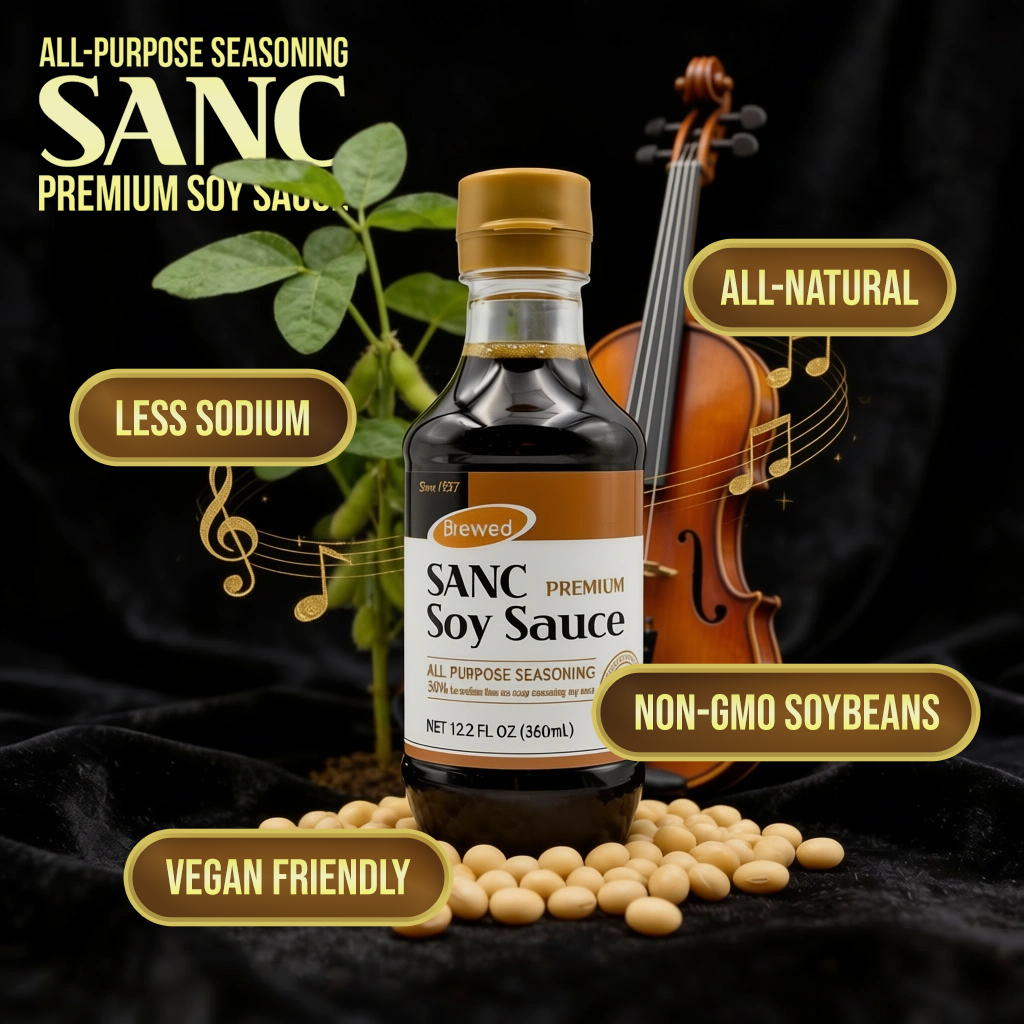
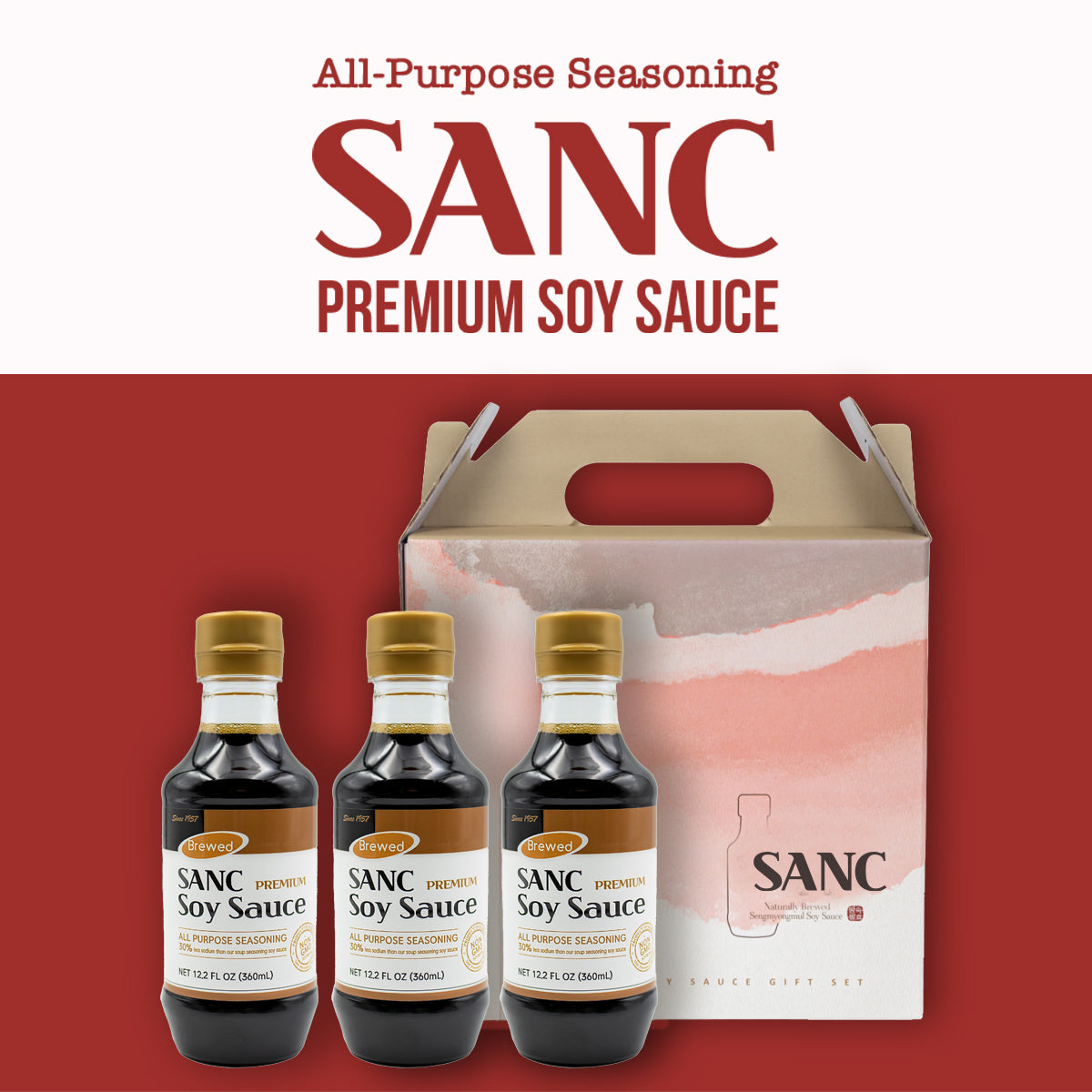
In case you were curious, SANC Soy Sauce is naturally brewed in an underground fermentation tunnel using the traditional Onggi fermentation method. The special process also includes 24/7 exposure to the music of Mozart, which activates and excites the microbes, giving SANC its unique, extra-umami flavor. Microbes like music too! If you’re curious about that flavor, buy a bottle (or a special 3-pack) today!

So… Should You Drown Your Food in Soy Sauce?
Short answer: No.
More soy sauce does not mean more health.
But when used smartly and sparingly, soy sauce can:
-
Add antioxidants as a small bonus
-
Bring in some fermentation-derived compounds that might support health in subtle ways
-
Help you cook with less total salt
All while making your food taste way more interesting.
Final Thought
Think of soy sauce like this:
A powerful flavor tool with a few surprising perks—
but one that should always be used with respect for the sodium.
Drizzle, don’t drown. Your taste buds (and your blood pressure) will thank you.