
· By Susan Kim
What’s the Best Gluten-Free Alternative to Soy Sauce? (Tamari, Coconut Aminos & More)
Gluten-Free Alternatives to Soy Sauce (That Still Taste Like the Real Thing)
If you’re gluten-free, soy sauce can be a sneaky problem. Traditional soy sauce is often brewed with wheat, which means it’s usually not gluten-free (even though it doesn’t taste like bread). The good news: you’ve got plenty of options that deliver the same salty, savory, umami punch—without the gluten.
Below are the best gluten-free alternatives to soy sauce, how they taste, and when to use each one.
1) Tamari (the closest swap)
Best for: Everyday cooking, dipping, marinades
Taste: Deep, rich, soy-forward, usually less sharp than standard soy sauce
Tamari is the most common gluten-free soy sauce alternative—and in many cases, it’s the best 1:1 substitute. Most tamari is brewed with little to no wheat, but you still need to check the label because not all tamari is certified gluten-free.
How to use: Replace soy sauce 1:1 in recipes.
2) Certified Gluten-Free Soy Sauce (yes, it exists)
Best for: People who want classic soy sauce flavor
Taste: Very similar to standard soy sauce
Some brands brew soy sauce without wheat (or use gluten-free grains) and certify it gluten-free. If you’re craving the most traditional “soy sauce” profile, this is the easiest path. SANC doesn’t have a gluten-free option… yet. If you want a gluten-free SANC, let us know!
How to use: 1:1 replacement.
3) Coconut Aminos (sweet-savory and mild)
Best for: Stir-fries, dressings, dipping, family-friendly meals
Taste: Softer, slightly sweet, less salty, less “fermented” than soy sauce
Coconut aminos are made from coconut blossom sap and salt. They’re naturally gluten-free, and also soy-free. The main difference: they’re typically less salty and a bit sweeter, which can be great depending on the dish.
How to use: Start with 1:1, then add a pinch of salt if your dish needs more bite.
4) Liquid Aminos (soy-based but often gluten-free)
Best for: Marinades, sautéing, quick seasoning
Taste: Salty, savory, a little sharper/less complex than brewed soy sauce
Liquid aminos are made from soybeans (and are often gluten-free), but they’re not always fermented in the same way as soy sauce—so they can taste a bit more direct and less “aged.”
How to use: 1:1, but taste as you go—some taste saltier than soy sauce.
5) Gluten-Free Miso + Water (umami booster hack)
Best for: Soups, ramen, glazes, sauces
Taste: Deep umami, slightly funky, complex
Miso is fermented and packed with savoriness. Many misos are naturally gluten-free, but some contain barley or other gluten grains—so again, check the label.
Quick swap recipe (great in cooking, not dipping):
-
1 tbsp gluten-free miso
-
1 tbsp warm water
-
Optional: tiny splash of rice vinegar + pinch of salt
6) Fish Sauce (powerful, salty umami)
Best for: Fried rice, stir-fries, marinades, soups
Taste: Strong aroma, clean savory finish, less “soy,” more “sea”
Fish sauce is naturally gluten-free in many cases and brings intense savory depth. Use it like a “chef move” when you want umami without adding gluten.
How to use: Use less than soy sauce (start with ½ the amount), then adjust.
7) Worcestershire Sauce (in a pinch)
Best for: Marinades, meat sauces, stews
Taste: Tangy, savory, slightly sweet
Not a perfect match—but it can add depth when you don’t have other options. Just note: some Worcestershire sauces contain gluten, so look for a certified gluten-free version.
How to use: Use small amounts, often best mixed with another alternative (like tamari or coconut aminos).
How to Choose the Best One
-
Want the closest flavor to soy sauce? → Tamari or certified GF soy sauce
-
Need soy-free + gluten-free? → Coconut aminos
-
Want maximum umami in cooked dishes? → GF miso or a touch of fish sauce
-
Just need a fast “salty seasoning”? → Liquid aminos
Quick Tips for Cooking Gluten-Free “Soy Sauce Style”
-
If your alternative tastes too sweet (common with coconut aminos): add a pinch of salt + a few drops of rice vinegar.
-
If it tastes not salty enough: add salt gradually instead of pouring more sauce (so you don’t overwhelm the flavor).
-
For better “restaurant-style” depth: mix tamari + a tiny splash of toasted sesame oil + garlic.
-
If your substitute is too sweet or flat-tasting, try adding a few drops of rice vinegar.
A note about SANC Premium Korean Soy Sauce
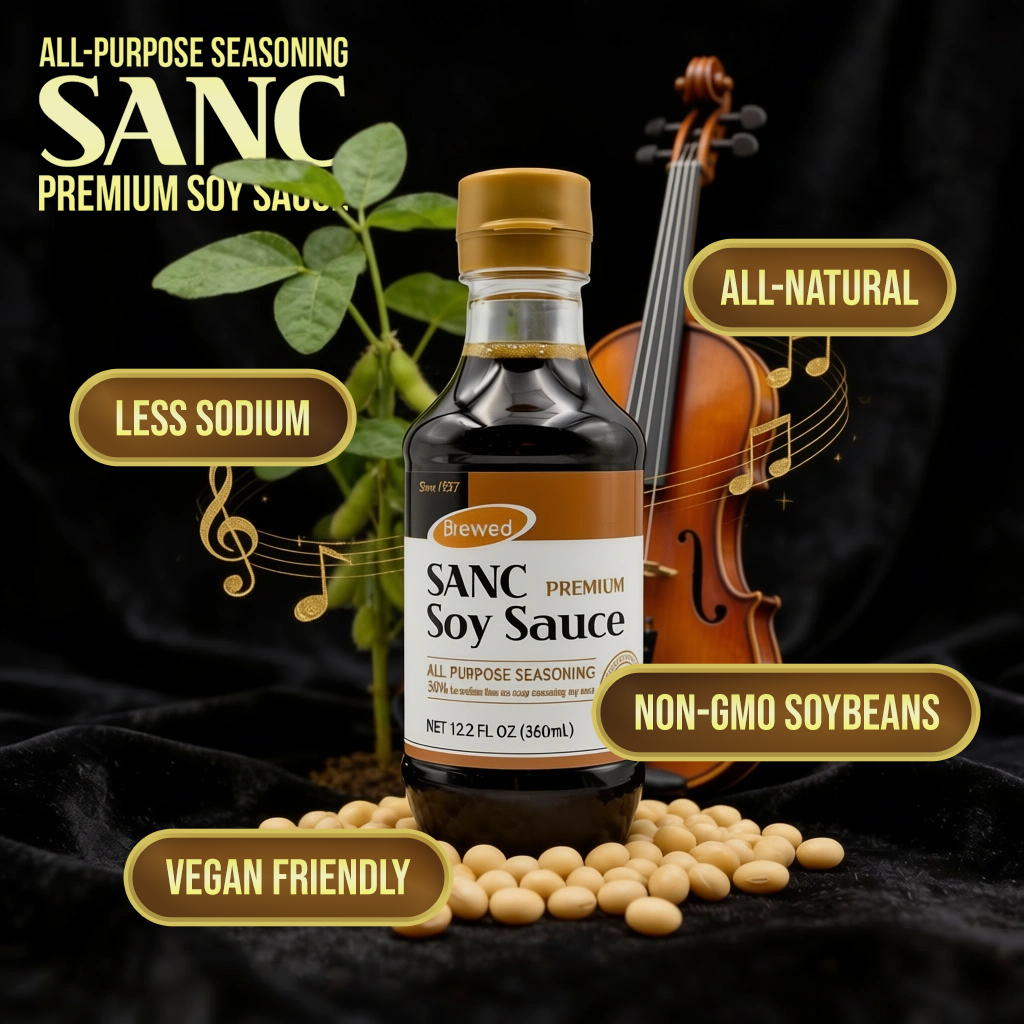
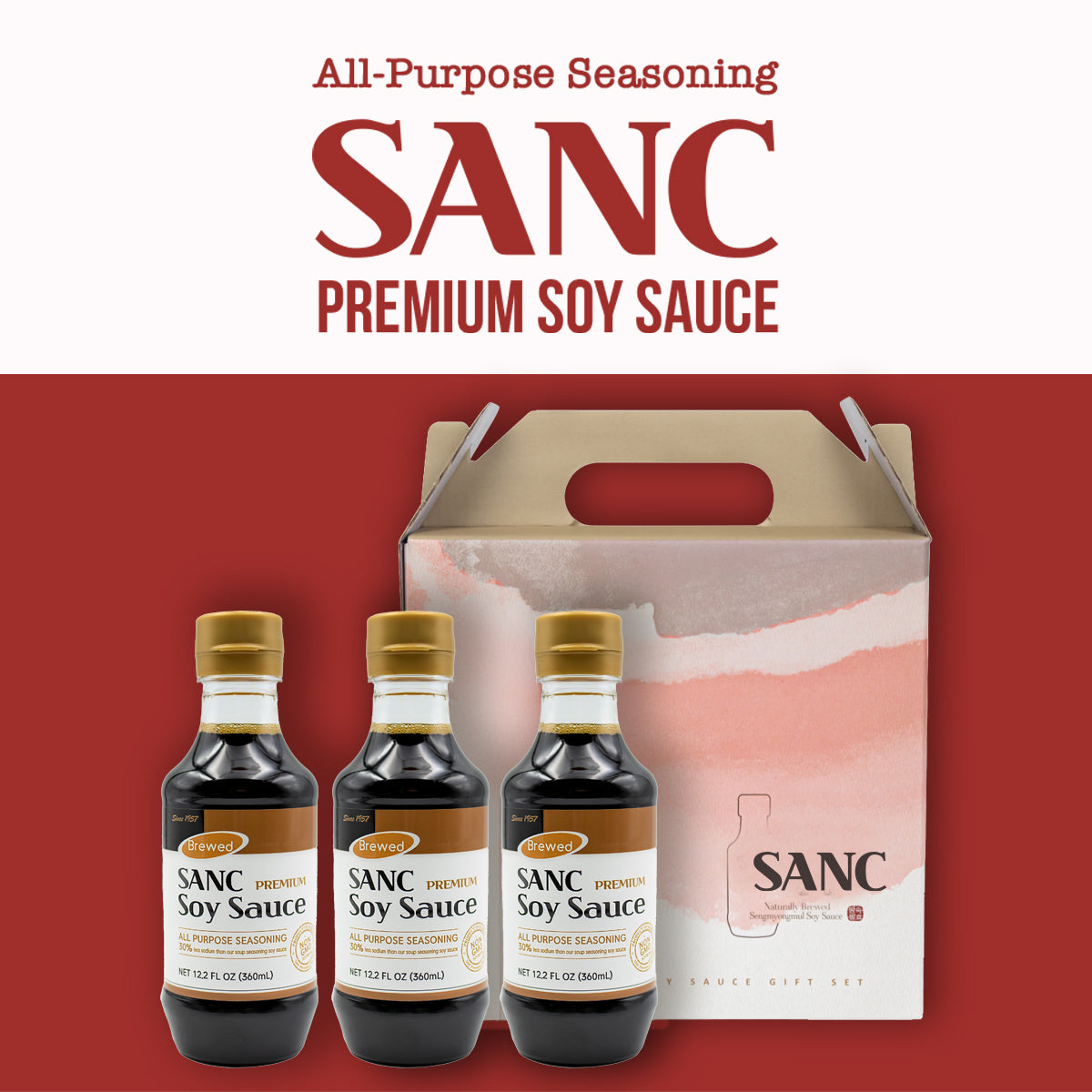
SANC is not gluten-free. Like most traditional soy sauces, it’s brewed with wheat, so it’s not safe for celiac disease or gluten sensitivity.
That said, if you’re not gluten-free and you’re looking for a premium soy sauce you can use less of, SANC was made for that style of cooking - that’s why we call it a flavor bomb! The strong umami flavor helps your food taste saltier without all the extra sodium.
Final takeaway
Going gluten-free doesn’t mean giving up the flavor you rely on. With the right swap—especially tamari or gluten-free soy sauce—you can keep that savory, punchy umami profile in everything from stir-fries to marinades.
FAQ
Is soy sauce gluten-free?
Usually no—traditional soy sauce is brewed with wheat, so it contains gluten.
What’s the closest gluten-free substitute for soy sauce?
Gluten-free tamari is typically the closest match.
What’s the best soy-free option?
Coconut aminos (gluten-free and soy-free), though it’s often slightly sweet.